A broken foot or ankle upends daily life fast. One misstep off a curb or an awkward tackle, and suddenly standing is a negotiation. The bigger question often lands a day or two after the injury: do I really need surgery? That is where a foot and ankle surgeon’s judgment matters. Not every fracture needs an operation, and even among those that do, the right timing and the right technique make a long term difference.
What a foot and ankle surgeon actually does
A foot and ankle surgeon is trained to diagnose, treat, and rehabilitate injuries and conditions from the toes to just below the knee, with a focus on bones, joints, tendons, and ligaments. You might see one labeled as a foot and ankle orthopedic surgeon or a foot and ankle surgical specialist, depending on training. Many are board certified and practice in settings that range from hospital systems to dedicated foot and ankle clinic specialist groups. Some surgeons have niche expertise as a foot and ankle trauma surgeon or foot and ankle reconstruction surgeon for complex deformities and nonunions.
In the fracture setting, the job is part detective, part craftsman, and part coach. The detective work includes a careful exam, imaging review, and understanding how the injury happened. The craftsman chooses and places implants that restore alignment with as little soft tissue disruption as possible. The coach maps a recovery arc that respects biology, your work and family demands, and the realities of bone healing.
Not every fracture needs an operation
I tell patients this often, because people arrive worried that “surgeon” automatically means “surgery.” Many stable fractures can be treated by a foot and ankle treatment specialist with casting, a boot, and time. Examples include non displaced fifth toe fractures, many metatarsal shaft fractures, small avulsion fractures around the ankle, or nondisplaced lateral malleolus injuries when the ankle joint remains congruent. With good immobilization and weight bearing guidance, these heal well with a typical timeline of 6 to 8 weeks for the bone and another 4 to 6 weeks to regain strength and balance.
The foot and ankle care specialist’s skill lies in sorting the stable from the unstable. I still think about a middle aged runner who rolled an ankle on a trail and walked into clinic with swelling and bruising but minimal pain. Her X ray looked passable at first glance. A stress view showed widening of the ankle mortise, and ultrasound revealed a complete deltoid ligament injury. Nonoperative care would likely have led to chronic instability. She did well with a low profile plate and screws and a structured rehab plan. The initial exam and the second look at imaging changed the entire trajectory.
How we decide when surgery is needed
Surgery is about restoring alignment, stability, and joint congruity that the body cannot reliably achieve on its own. The foot and ankle joint specialist weighs several factors that repeat across cases:
- Signs you may need surgical fixation: The broken bone is out of place or angulated. The joint surface is stepped off or gapped. The ankle feels unstable when gently stressed. The skin is at risk from sharp bone ends. The fracture has not healed after several months.
This is a short checklist, not a verdict. The foot and ankle surgical evaluation always includes imaging. Standard weight bearing X rays matter more than many realize. They show how the bones behave under load. CT helps with complex articular fractures such as calcaneus, talus, and pilon patterns, clarifying joint involvement and tiny fragments that affect stability. MRI is not routine for fractures but helps Go to this website when we suspect osteochondral injury, a peroneal tendon tear, or a Lisfranc ligament rupture that X rays do not fully explain. Dynamic ultrasound can add value for tendon and ligament assessment at the ankle.
Function and patient goals count. A foot and ankle specialist for athletes considers pivoting and cutting demands that push the threshold toward surgery in some patterns. A foot and ankle surgeon for runners may recommend fixation for a Jones fracture in a collegiate sprinter that a walking office worker might treat in a boot. On the other hand, a foot and ankle surgeon for chronic pain and arthritis might steer a low demand patient with major medical comorbidities toward conservative care when the alignment is acceptable and surgical risk is high.
Common fracture patterns and the usual playbook
Ankle fractures. Bimalleolar and trimalleolar injuries typically require surgery to restore the mortise and prevent post traumatic arthritis. Unstable isolated lateral malleolus fractures do as well, especially with medial clear space widening. Fixation can be a plate and screws, a fibular intramedullary device, or a combination, chosen by the foot and ankle repair surgeon based on bone quality and skin condition. Syndesmotic injuries sometimes need a suture button or screw across the joint to hold alignment while ligaments heal.
Pilon fractures. These are high energy injuries of the distal tibia’s weight bearing surface. Swelling and skin compromise are common. The top rated foot and ankle surgeon does not rush these. We often use a staged approach with a temporary external fixator, then definitive fixation after the soft tissues calm down, typically 7 to 14 days later. The outcomes hinge on restoring the joint surface and protecting the skin, and even with optimal care, there is a real risk of stiffness and arthritis that may later require fusion.
" width="560" height="315" style="border: none;" allowfullscreen="" >
Calcaneus fractures. Intra articular heel fractures are a classic judgment call. A foot and ankle orthopedic specialist will get a CT to map the fragments. When the joint surface is displaced or the heel is widened and tilted, surgery to reduce the posterior facet and restore heel shape improves function in many active patients. Smokers and those with fragile skin are at higher risk for wound problems, so minimally invasive foot and ankle surgeon techniques like sinus tarsi approaches help, but risk never falls to zero.
Talus fractures. The talus carries the ankle and subtalar joints. Displacement threatens its blood supply, so a foot and ankle trauma surgeon treats these urgently. Anatomic reduction is key, often with small screws and careful handling of the soft tissue envelope. Avascular necrosis is a known risk even with perfect surgery, so close follow up matters.
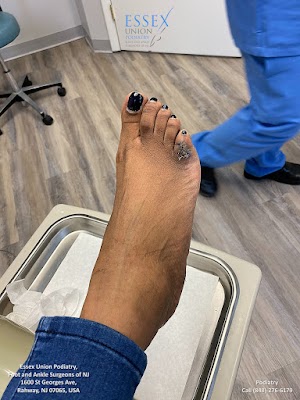
Lisfranc injuries. These midfoot injuries are notorious for masquerading as simple sprains. Weight bearing films compared side to side and sometimes stress views reveal subtle widening between the first and second metatarsal bases. Many need fixation or internal brace constructs to keep the arch aligned. Missed Lisfranc injuries are a common cause of long term pain and loss of push off power, which is why a foot and ankle expert keeps a low threshold to stress test the joint.
Jones fractures. A true Jones fracture at the base of the fifth metatarsal has a tenuous blood supply and a nonunion risk with casting. For competitive athletes and active people, a foot and ankle sports injury surgeon often recommends an intramedullary screw to speed healing and reduce refracture risk. Return to sport can happen as early as 6 to 8 weeks with solid fixation, although 10 to 12 is more typical.
Metatarsal neck or shaft fractures. Most are nonoperative unless significantly displaced, angled, or involve multiple rays. A foot and ankle pain specialist weighs forefoot alignment and the risk of transfer metatarsalgia if the metatarsal heals short.
Toe fractures. Big toe joint surface injuries that are displaced do better with reduction and fixation to maintain the platform for push off. Lesser toes rarely need surgery unless there is a significant rotational or angular deformity that will cause shoe conflict or crossover.
Timing matters as much as technique
Most foot and ankle fracture surgeries happen within the first 1 to 2 weeks. Some need immediate action, like open fractures with skin breaks or ankle fracture dislocations that threaten circulation or skin viability. Others, such as pilon and calcaneus fractures, benefit from a staged plan to let swelling dissipate and blistered skin heal. A foot and ankle surgery expert balances the biologic clock of swelling and the mechanical clock of fragments becoming harder to mobilize as early bone callus forms.
I advise patients not to chase an emergency room’s early comment of “you need surgery today” without a foot and ankle surgeon consultation unless the skin or blood flow is at risk. There is room for a considered plan in many cases, and swelling punished many rushed incisions in the early years of our specialty’s learning curve.
What happens during surgery
Most fracture fixations are outpatient or overnight stays. An ankle fracture open reduction and internal fixation often takes 60 to 120 minutes depending on complexity. A regional nerve block paired with light anesthesia keeps pain low after surgery. Plates today are lower profile and contoured. Interfragmentary screws reduce joint lines. In select cases, a foot and ankle surgery doctor uses percutaneous techniques to slide implants through small incisions guided by fluoroscopy, minimizing soft tissue trauma.
The goal is stable fixation that lets you start gentle motion early while keeping weight off the limb until the bone is ready. For some patterns, like a nondisplaced talar neck fracture, the foot and ankle surgery specialist may prioritize maintaining blood supply with minimal exposure. For others, such as a comminuted calcaneus, we focus on restoring heel height and joint congruity while respecting the soft tissue envelope.
Risks, benefits, and realistic success rates
No surgery is risk free. With modern technique, infection rates for closed ankle fracture fixation hover around 1 to 3 percent, higher in smokers, diabetics with poor glucose control, and those with significant swelling or blisters at the time of incision. Nerve irritation or numbness over small skin branches occurs in a similar range. Hardware prominence bothers some patients, and a foot and ankle surgeon for revision surgery may remove a plate or screw set 6 to 12 months later if it becomes a problem. Blood clots are uncommon in healthy patients after lower limb trauma but the risk rises with immobility and certain medications. We assess clot risk and prescribe prevention accordingly.
Benefits include a higher likelihood of restoring normal joint alignment, reducing the chance of arthritis, and speeding return to confident weight bearing. For unstable ankle fractures treated surgically, union rates exceed 95 percent in most series, and functional outcomes are significantly better than malunited or conservatively managed unstable patterns. For calcaneus and pilon fractures, success depends heavily on the initial injury severity. Even excellent surgery cannot make crushed joint cartilage new again, so a foot and ankle surgeon for arthritis may later discuss fusion if pain persists.
Recovery, week by week
Expect protection and patience. It helps to think in phases rather than exact weeks, because bone biology sets the pace.
Protection phase. The first 2 to 3 weeks focus on swelling control, incision healing, and keeping the limb elevated above the heart. A splint transitions to a cast or boot. Most patients are non weight bearing with crutches, a knee scooter, or a walker. A foot and ankle surgical care provider will often green light gentle toe and, for ankle fractures, limited ankle range of motion as soon as the incision is sealed and swelling allows.
Transition phase. Weeks 3 to 8 emphasize motion and progressive loading of soft tissues. X rays guide the pace of weight bearing. Many ankle fracture patients begin partial weight bearing in a boot at 4 to 6 weeks, aiming for full weight bearing by 6 to 8 weeks. A foot and ankle rehabilitation guidance plan targets proprioception, calf strength, and gait mechanics. For calcaneus, talus, and pilon fractures, non weight bearing often extends to 8 to 12 weeks to protect the joint and articular reduction.
Strength and confidence phase. Months 3 to 6 are about weaning out of the boot, building endurance, restoring single leg balance, and graded return to impact. Return to desk work can happen within 2 to 3 weeks for some in a boot with the leg elevated, while heavy labor may require 3 to 4 months or more. Runners start with pool or bike, then progress to walk jog intervals when strength and swelling tolerance allow. A foot and ankle surgeon for runners will often use a timed protocol paired with functional milestones rather than a fixed date.
Long game. Bones heal before joints forget they were injured. Some residual swelling around the ankle can persist for 6 to 12 months, especially after long days on your feet. Nerve sensitivity around incisions typically fades over months. The best results track with consistency in rehab and realistic goals.
Pain control without derailing healing
A foot and ankle medical specialist prioritizes multimodal pain control. Regional nerve blocks provide excellent early relief, often covering the first 12 to 24 hours. We use scheduled acetaminophen, judicious short term opioids for breakthrough pain, and careful use of anti inflammatory medications. There has been debate about NSAIDs and bone healing. Most evidence suggests short term, modest dosing does not derail union, but in high risk nonunion patterns like a Jones fracture, some foot and ankle doctors minimize early NSAID use. Ice, elevation, and compression do more than any pill when used consistently.
Special situations that shape the plan
Diabetes and neuropathy. A foot and ankle condition specialist approaches these injuries with extra caution. Reduced sensation and blood flow change wound healing and mask early signs of pressure or infection. Implants and fixation strategies may be more robust, and protective periods longer.
Osteoporosis and older adults. Fragile bone changes implant choice. Locking plates and intramedullary devices help. The foot and ankle surgeon for mobility issues balances the need for stable fixation with the recognition that prolonged non weight bearing can cause deconditioning, falls, and loss of independence. Sometimes we accept a slightly slower union with earlier protected weight bearing to avoid those harms.
High energy trauma. Open fractures, crush injuries, and major deformities call for a foot and ankle fracture surgeon with trauma expertise. These cases may involve staged surgery, soft tissue flaps with a plastic surgery colleague, and a longer path to function. A foot and ankle surgeon for complex cases is worth seeking for these.
Athletes. A foot and ankle specialist for athletes understands the calendar. Operative decisions may tilt toward techniques that allow earlier loading and return to training, such as intramedullary screws for fifth metatarsal base fractures or rigid fixation constructs for unstable ankles. Imaging like MRI may be used earlier to clear cartilage and tendon concerns before a return to play.
What to ask during a surgical consultation
You deserve clarity, not jargon. A foot and ankle surgery consultation should leave you with a sketch of the path forward, risks, and expected milestones. Here are focused questions that help you compare options and surgeons:
- In my case, what are the nonoperative and operative paths, and why are you recommending one over the other? How soon do I need surgery, and what happens if we wait a few days? What implants and approach do you plan to use, and how will that affect recovery and scarring? When will I start moving and when can I put weight on the foot? What are the biggest risks for me specifically, and how will we minimize them?
These questions apply whether you are meeting a foot and ankle surgeon near me from a search result or a referral from your primary care physician. If something does not sit right, seek a foot and ankle surgeon for second opinion. Good surgeons welcome that, especially for borderline or complex cases.
Cost, insurance, and the value of planning
Costs vary widely by region, facility, and insurance. Facility and anesthesia often exceed the surgeon’s professional fee. For a straightforward outpatient ankle fracture fixation in the United States, billed totals may range from several thousand to well over ten thousand dollars before insurance adjustments. Out of pocket expenses depend on your plan’s deductible and coinsurance. Durable medical equipment like a boot, scooter, or bone stimulator may carry separate costs. Ask for a preauthorization and estimated out of pocket figure. A foot and ankle surgical care provider’s team can outline typical expenses and alternatives, like renting a knee scooter or using a loaner boot.
How to evaluate a surgeon beyond online ratings
“Best foot and ankle surgeon” and “top rated foot and ankle surgeon” searches often surface polished profiles. Ratings help, but they do not show case mix or subspecialty focus. Look for training background, board certification, volume of the specific procedure you need, and whether the surgeon operates in a setting that can handle your case’s complexity. A foot and ankle surgeon for revision surgery, for example, should demonstrate experience with nonunions, malunions, and hardware removal. If you are an athlete, ask whether the surgeon regularly treats your sport and works with a physical therapist versed in return to play.
The fit matters. You want a foot and ankle surgery expert who listens, answers directly, and offers conservative vs surgical care when each is appropriate. The best clinic experiences I see happen when the surgeon and the physical therapist communicate and the patient understands the sequence of decisions ahead.
When persistent pain after a fracture needs a fresh look
Most fracture pain fades along with swelling and stiffness. If sharp, localized pain returns months later, or if the foot feels unstable or gives way, revisit your foot and ankle specialist. A nonunion or malunion can be subtle, and so can post traumatic arthritis in the ankle or midfoot. A foot and ankle joint specialist might order a CT to evaluate union or cartilage, or an MRI to look for a missed tendon tear. Options range from targeted injections and custom orthotics to revision fixation or, in end stage arthritis, fusion or ankle replacement. A foot and ankle surgeon for long term issues will also check vitamin D levels, smoking status, and medications that influence bone healing.
Beyond fractures, why the expertise carries over
While this article focuses on fractures, foot and ankle surgeons also manage conditions like Achilles tendon ruptures, chronic ankle instability, bunions, hammertoes, plantar fasciitis, neuromas, and arthritis. That breadth helps in fracture care because tendons and ligaments often get injured along with bone. A foot and ankle tendon specialist or foot and ankle ligament specialist mindset keeps those structures on the radar during your imaging review and surgical planning.
I have repaired ankle fractures where the peroneal tendons were partially torn and trapped by a displaced fibula. Addressing the tendons during the same operation prevented months of lateral ankle pain. A foot and ankle surgeon for Achilles tendon issues brings that same comprehensive view to calcaneus and hindfoot fractures where tendon gliding can be compromised by scar.
Practical, experience based expectations
Plan your environment. Set up a sleeping spot with easy bathroom access. Clear cords and rugs. Place a shower foot and ankle surgeon NJ chair and a handheld sprayer. These small steps cut fall risk during non weight bearing.
Protect your skin. A boot or cast can rub. Check your heel and malleoli daily. Any hot spot or numbness deserves a quick call to the clinic.
Respect energy. The first week after surgery feels exhausting even if pain is controlled. Short, frequent walks on crutches are better than one big outing. Work with your foot and ankle health specialist to pace the return to normal activities.
Hold a line on tobacco. Nicotine constricts blood vessels and doubles down on wound and bone healing problems. A foot and ankle injury surgeon will be candid about this. Quitting, even temporarily, measurably lowers complication rates.
Expect a zigzag. Progress after a fracture is not linear. Swelling can spike after a good therapy session or a longer than usual day. That does not mean backtracking. Ice, elevate, and resume the plan.
The takeaway
Surgery for a foot or ankle fracture is not a badge of severity as much as a strategy to restore alignment, stability, and function when the body cannot get there alone. The decision comes from a careful foot and ankle surgical evaluation, a frank discussion of goals and risks, and a recovery plan that fits your life. Whether you are an active parent trying to get back to weekend hikes, a runner eyeing the next season, or someone balancing work on your feet with healing time, the right foot and ankle surgery specialist will make the steps ahead clear, achievable, and measured in milestones that matter to you.